Rivet
Produk
- View as
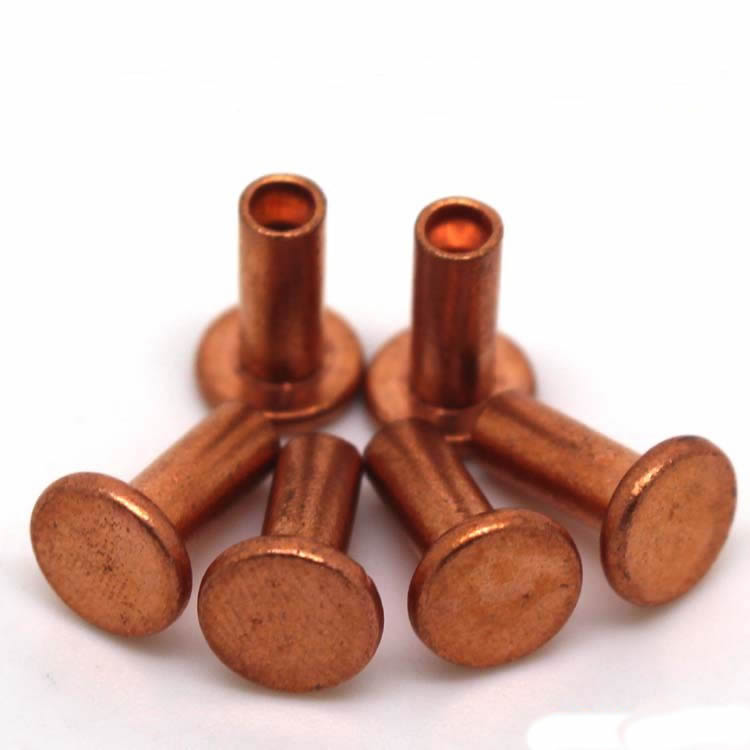
Paku Keling Separuh Tiub Loyang
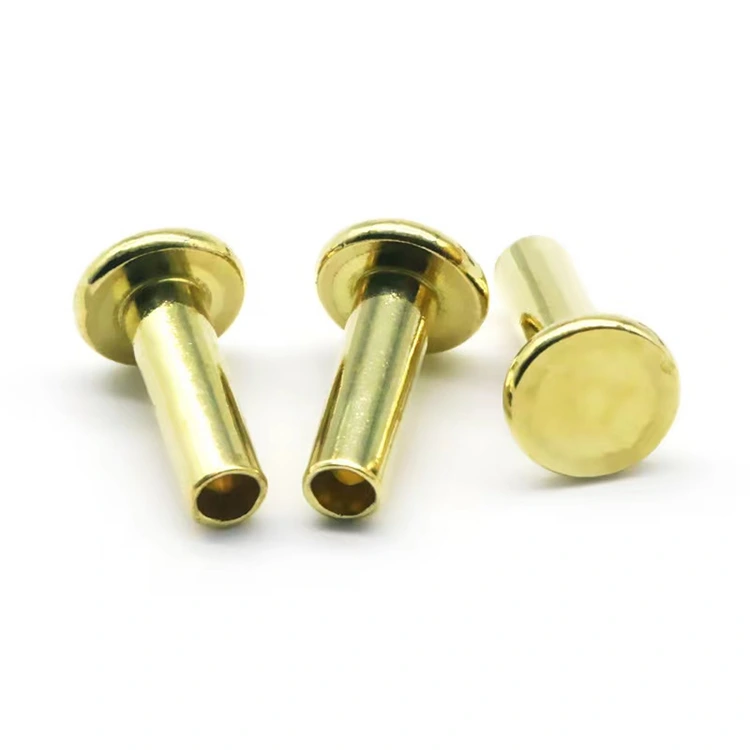
Nuote Metals membekalkan rivet separuh tiub tembaga – pengikat dengan rongga cetek di ekor yang mengurangkan daya penetapan sehingga 70% berbanding rivet pepejal. Juga biasa dipanggil rivet separuh tiub, rivet separuh berongga, atau rivet berongga hujung. Diperbuat daripada loyang C2680, tersedia dalam diameter batang 0.8–8.0mm, enam gaya kepala dan pelbagai kemasan.
Baca LagiHantar Pertanyaan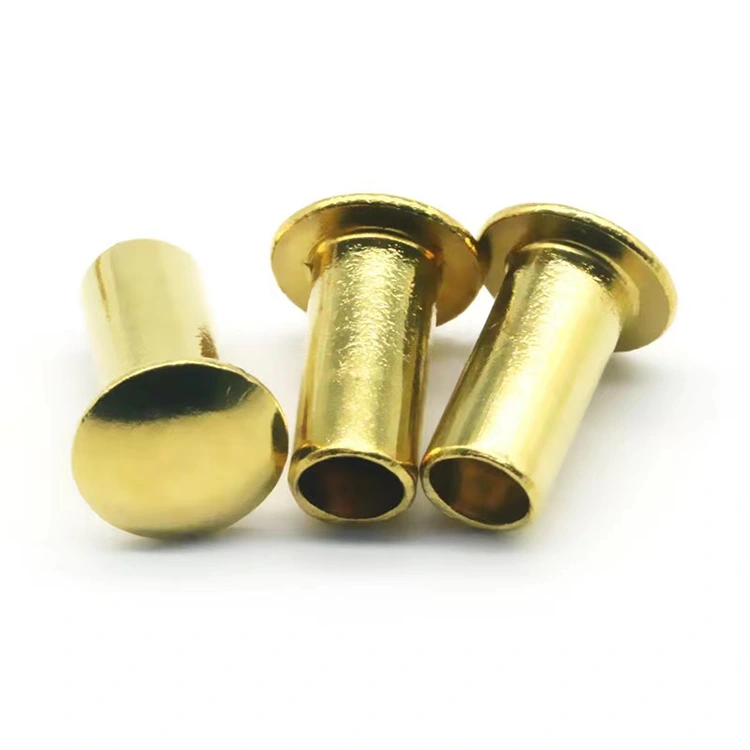
Paku Keling Separuh Berongga Loyang
Nuote Metals pakar dalam pengeluaran rivet separuh berongga loyang. Syarikat kami terletak di Dongguan, China, sebuah bandar dengan cuaca panas dan sektor perindustrian yang berkembang maju. Rivet separuh berongga tembaga digunakan secara meluas dalam pembuatan perindustrian dan kehidupan seharian. Diperbuat daripada loyang, ia mempunyai ciri-ciri struktur dan fungsi tertentu. Rivet ini adalah pemain utama dalam banyak industri. Selama bertahun-tahun, reka bentuk dan cara ia dibuat telah diperhalusi, menjadikannya bahagian yang mesti ada untuk banyak produk.
Baca LagiHantar Pertanyaan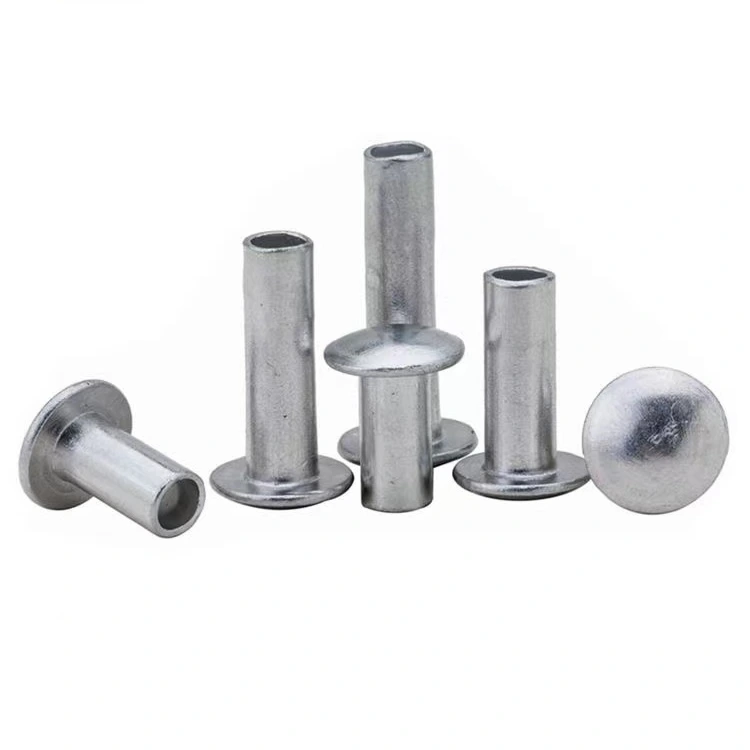
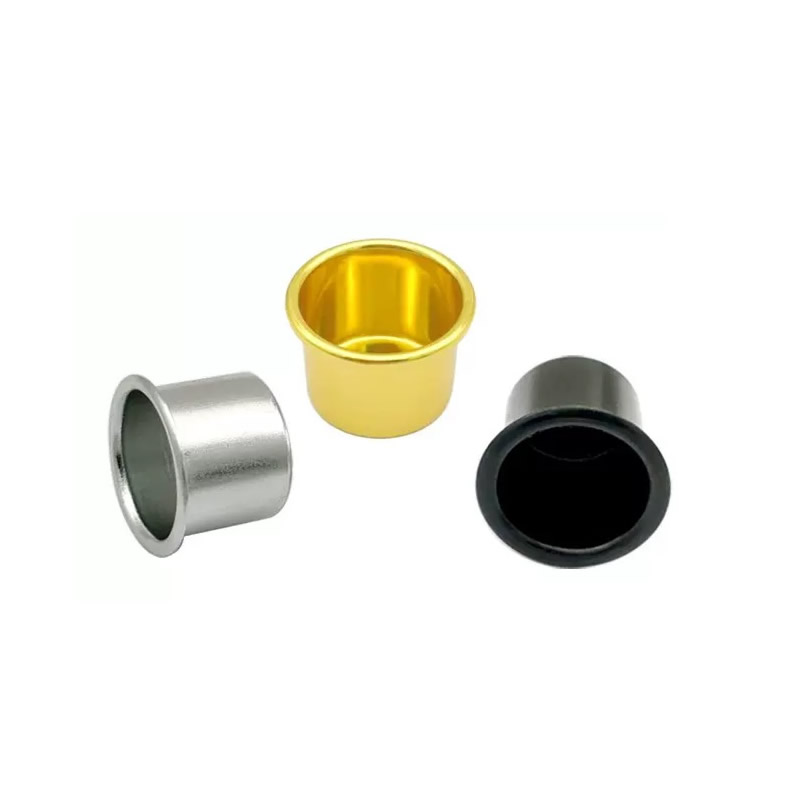
Rivet Separa Berongga Aluminium
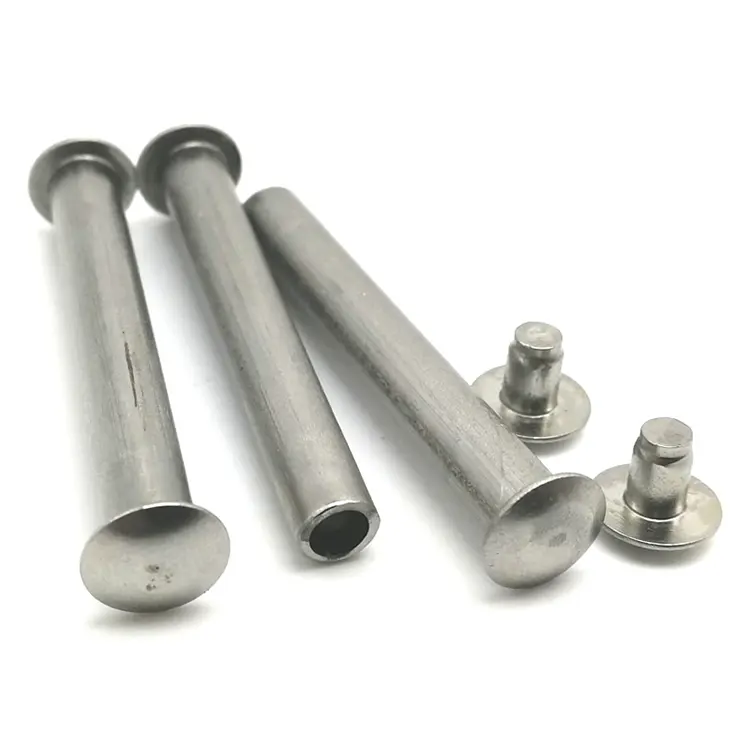
Rivet separuh berongga aluminium pada asasnya adalah pengikat yang diperbuat daripada aloi aluminium. Mereka mempunyai kepala yang kukuh dan ekor yang separa berongga. Apabila anda memasangnya dengan alat khas, bahagian berongga itu menyala dan melengkung ke belakang, mewujudkan sambungan terkunci yang sangat kuat. Kerana ia adalah aluminium, ia ringan secara semula jadi dan tidak mudah berkarat, yang merupakan kelebihan besar apabila anda bimbang tentang berat badan atau menggunakannya dalam persekitaran yang sukar. Apabila anda menyusunnya dengan rivet yang diperbuat daripada bahan lain, ia benar-benar mencapai titik manis antara harga berpatutan dan berprestasi baik.
Baca LagiHantar Pertanyaan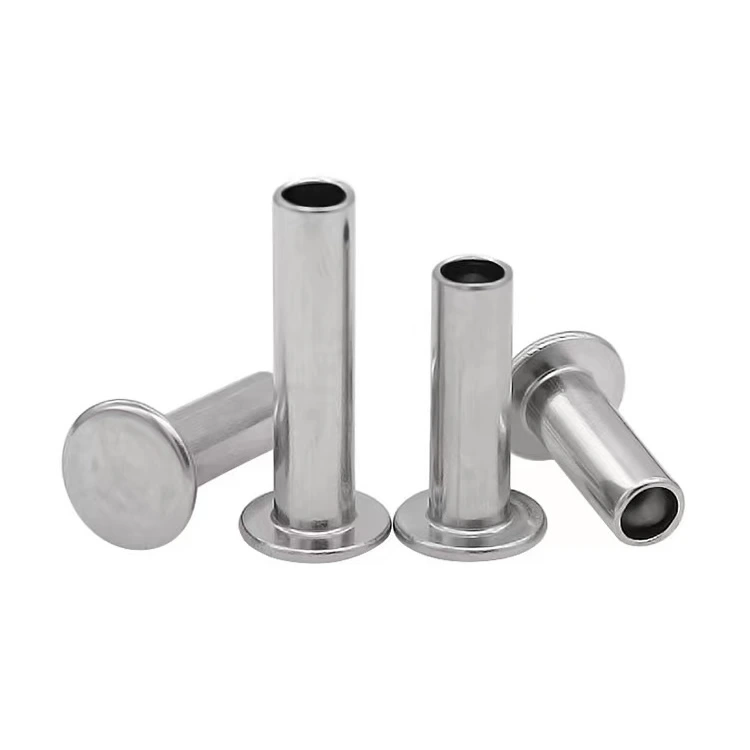
Rivet Separuh Tiub Aluminium
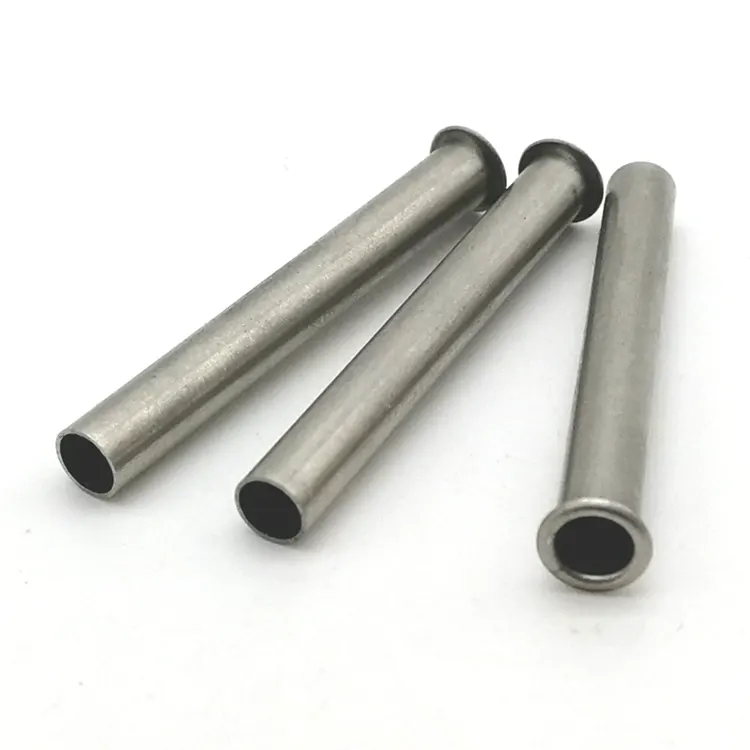
Kami Nuote Metals, pembuat rivet yang berpangkalan di Dongguan, China, dan kami menghantar rivet kami ke seluruh dunia. Rivet separuh tiub aluminium adalah jenis pengikat mekanikal yang biasa digunakan dalam banyak industri yang berbeza. Ia mempunyai kepala yang kukuh dan ekor berongga, yang menghasilkan sambungan yang cepat dan kukuh apabila anda memasangkannya pada tempatnya. Rivet ini biasanya diperbuat daripada aloi aluminium, jadi ia ringan dan tidak mudah berkarat.
Baca LagiHantar Pertanyaan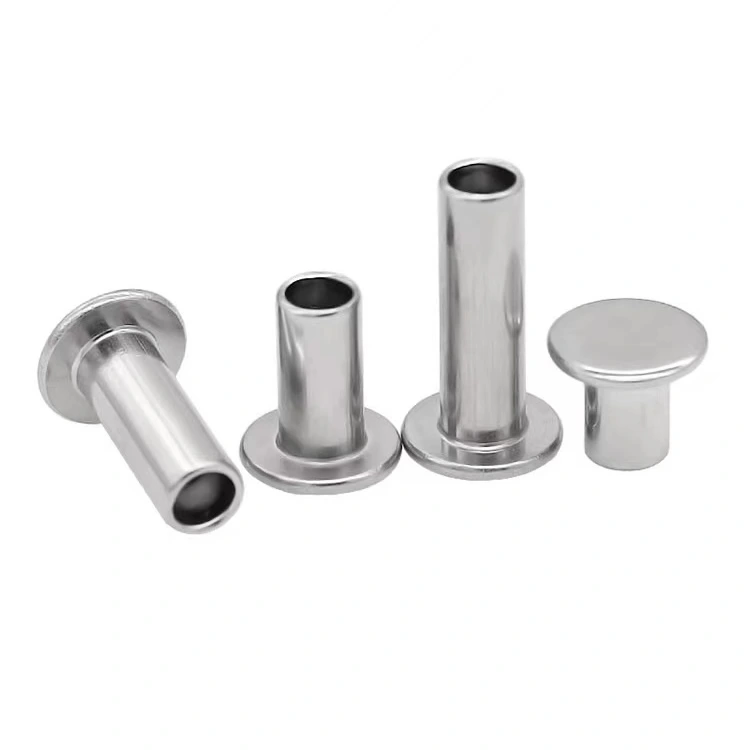
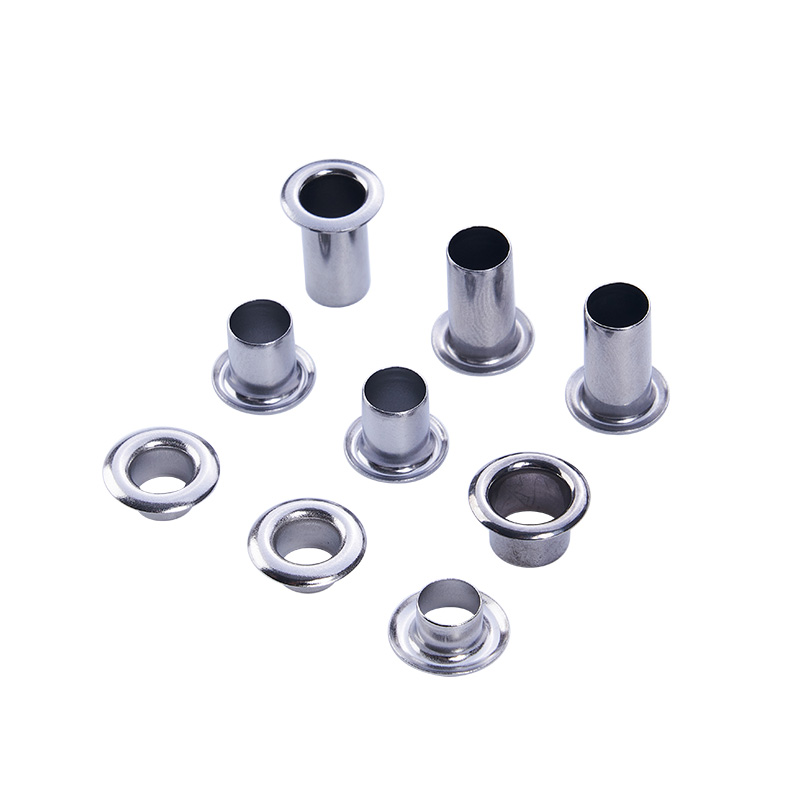
Rivet Separa Tiub
Kami adalah Nuote Metals di Dongguan. Kedai kami membuat rivet separuh tiub untuk pelbagai kegunaan. Rivet ini kelihatan seperti pin logam kecil dengan lubang di bahagian bawah aci. Rivet separuh tiub lebih mudah dipasang daripada rivet pepejal kerana anda tidak memerlukan daya yang banyak. Kami membuatnya daripada keluli, loyang, aluminium atau keluli tahan karat. Setiap kelompok rivet separuh tiub diperiksa untuk saiz dan kemasan. Pelanggan memesan rivet separuh tiub kami apabila mereka memerlukan pengikat kuat yang dipasang dengan cepat. Kami boleh menyediakan sampel supaya anda boleh mengujinya terlebih dahulu.
Baca LagiHantar Pertanyaan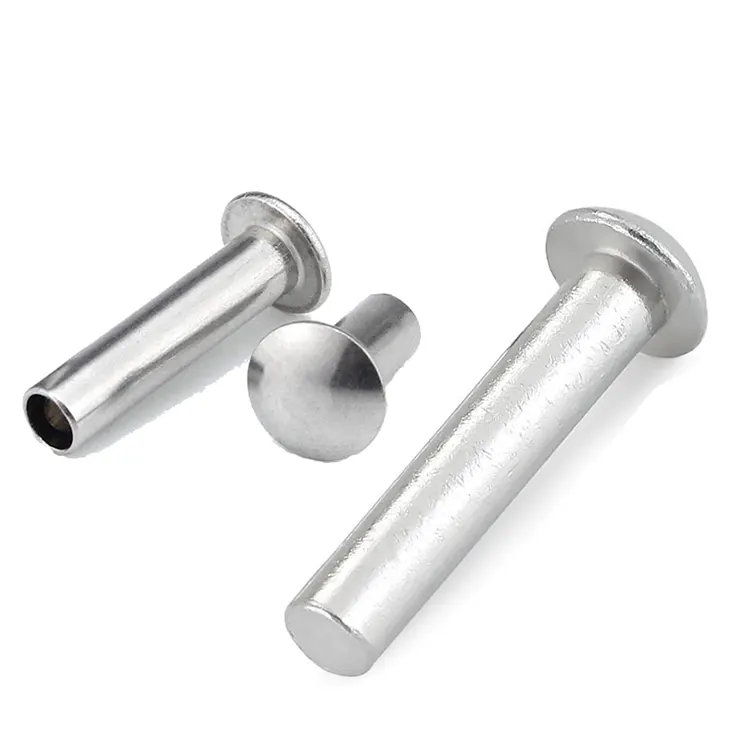
Rivet Kepala Sejagat
Nuote Metals ialah pengeluar rivet kepala universal yang berpangkalan di China dalam reka bentuk pepejal dan separa tiub – menampilkan kepala berprofil sederhana yang menawarkan lebih banyak kawasan galas daripada kepala bulat dan profil lebih rendah daripada kepala kekuda. Tersedia dalam diameter batang 1.5–8.0mm, lima keluarga bahan dan panjang tersuai. Kualiti yang diperakui ISO, kebolehkesanan penuh dan sampel percuma tersedia – hubungi kami untuk bermula.
Baca LagiHantar PertanyaanApakah kelebihan rivet berbanding pengikat lain?
1. Kemudahan Pemasangan
Rivet pantas dipasang, malah diautomatikkan sepenuhnya untuk aplikasi volum tinggi, menghasilkan proses operasi yang mudah dan cekap.
2. Kebolehpercayaan Sambungan
Proses memukau diseragamkan, dengan kawalan kualiti yang ketat, menghasilkan sambungan yang sangat stabil. Pemeriksaan visual membolehkan pengesahan pantas kualiti sambungan.
3. Getaran dan Rintangan Kesan
Rivet bersambung melalui kesesuaian ubah bentuk atau gangguan, memberikan daya pengapit yang kuat dan rintangan getaran yang sangat baik, mampu menahan getaran dan kejutan.
4. Kos Rendah
Rivet mudah dipasang dan boleh diautomatikkan sepenuhnya, menjimatkan kos buruh yang ketara.
Apakah kelebihan dan kekurangan rivet yang diperbuat daripada bahan yang berbeza?
Rivet Aluminium
Kelebihan: Ringan, mengurangkan berat keseluruhan produk, kos rendah, sesuai untuk aplikasi awam umum.
Kelemahan: Kekuatan tegangan dan ricih yang rendah, tidak sesuai untuk bahan kerja berkekuatan tinggi, terdedah kepada kakisan elektrokimia apabila bersentuhan dengan logam seperti keluli tahan karat.
Rivet Keluli Tahan Karat
Kelebihan: Rintangan kakisan yang kuat, kekerasan yang tinggi, sesuai untuk bahan kerja berkekuatan tinggi (seperti peralatan marin)
Kelemahan: Kos yang lebih tinggi, biasanya lebih mahal daripada rivet aluminium dengan spesifikasi yang sama.
Rivet Tembaga dan Tembaga
Kelebihan: Kekonduksian yang sangat baik (seperti menyambungkan komponen elektronik), rintangan kakisan yang baik.
Kelemahan: Kos yang lebih tinggi, lebih sukar untuk diproses.
Rivet Keluli
Kelebihan: Kekerasan tinggi, kebolehpercayaan sambungan yang tinggi, dan kebolehgunaan yang luas.
Kelemahan: Berbanding dengan bahan lain, rivet besi lebih mudah berkarat.
Apakah aplikasi utama rivet?
Rivet mempunyai pelbagai kegunaan, daripada barangan kecil seperti sepasang gunting kepada barangan besar seperti kapal terbang dan kapal, serta dalam aplikasi perubatan ketepatan tinggi.
Pembuatan Perindustrian
Rivet digunakan dalam pelbagai jenis bidang perindustrian, di mana sahaja terdapat keperluan untuk menyambung dua atau lebih bahan.
elektronik
Rivet melindungi sink haba dan cip, menyediakan kedua-dua redaman getaran dan pengurangan hingar, dan digunakan secara meluas dalam sistem penyejukan produk elektronik seperti komputer dan telefon mudah alih.
Automotif
Rivet digunakan secara meluas untuk menyambungkan komponen badan dan casis kereta, seperti pintu dan tudung. Sifatnya yang ringan dan tahan karat menjadikannya kaedah penyambungan yang amat diperlukan dalam pembuatan automotif.
Aeroangkasa
Dalam pembuatan pesawat, rivet digunakan untuk menyambungkan komponen fiuslaj yang berbeza, seperti sayap dan pesawat ekor. Berjuta-juta rivet mencipta kekuatan tinggi, sendi tahan kakisan. Rivet aloi aluminium dan titanium sering digunakan untuk menyambung komponen bahan yang sepadan, memastikan kestabilan dalam persekitaran yang melampau.
Rivet digunakan di mana-mana. Contoh di atas hanya mewakili sebilangan kecil aplikasi mereka. Kami melihat rivet di mana-mana dalam kehidupan seharian kita, seperti pada gunting, katil lipat, dan kereta sorong dsb. Rivet boleh disesuaikan dengan saiz dan bahan yang berbeza bergantung pada aplikasi.
Nuote Metals telah mengkhusus dalam industri rivet selama lebih sedekad. Kilang kami terletak di Dongguan, sebuah bandar yang dikenali sebagai "Kilang Dunia," sebuah bandar dengan industri yang maju dan pengangkutan yang mudah. Ini membolehkan kami bertindak balas dengan cepat apabila memperoleh bahan mentah dan menyokong rawatan permukaan, memenuhi keperluan pelanggan kami untuk akses pantas kepada sampel dan pesanan pukal. Kami menghasilkan 10 juta rivet setiap hari dan mempunyai acuan pelbagai spesifikasi, membolehkan kami menghasilkan rivet sekecil 0.8mm dan sebesar 10mm. Kami mengalu-alukan pertanyaan dan lawatan anda.



X
Kami menggunakan kuki untuk menawarkan anda pengalaman menyemak imbas yang lebih baik, menganalisis trafik tapak dan memperibadikan kandungan. Dengan menggunakan tapak ini, anda bersetuju dengan penggunaan kuki kami.
Dasar Privasi