Bahagian Stamping
Produk
- View as
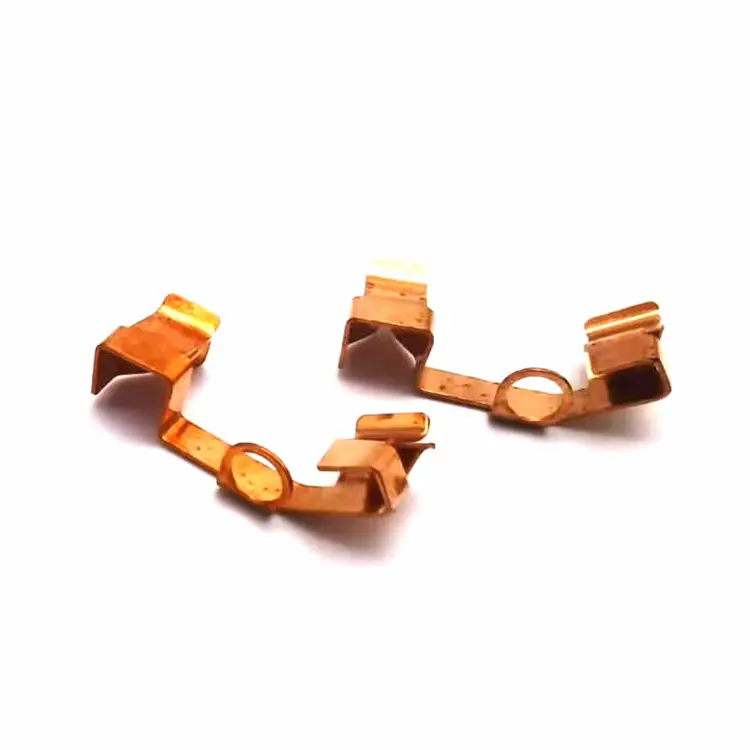
Bahagian Setem Untuk Soket
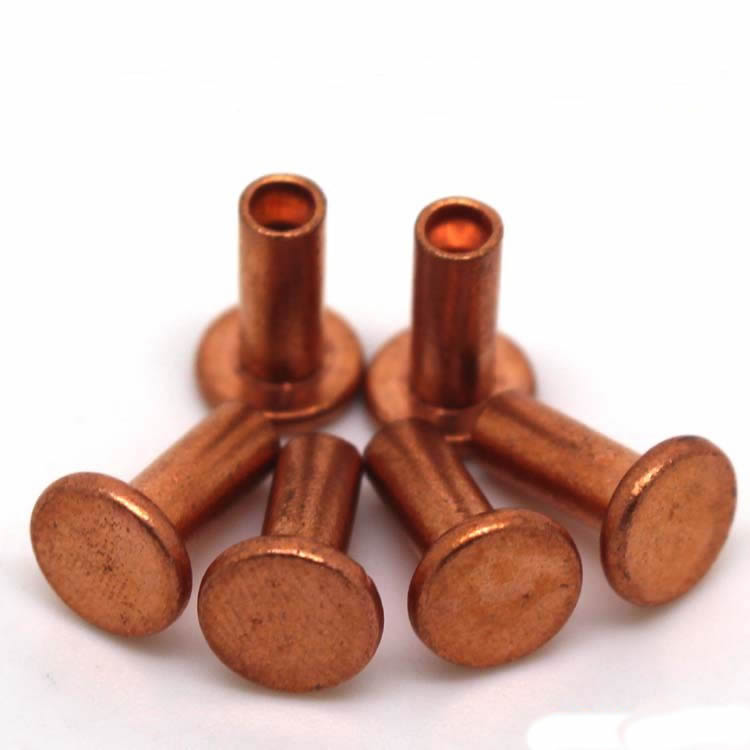
Stamping Parts For Socket ialah pengeluar terkemuka bahagian pengecapan logam progresif, bahagian pengecapan digunakan secara meluas dalam suis, geganti, termostat, penyentuh, pemutus sambungan, pengawal, pemasa dan radas voltan rendah yang lain.
Baca LagiHantar Pertanyaan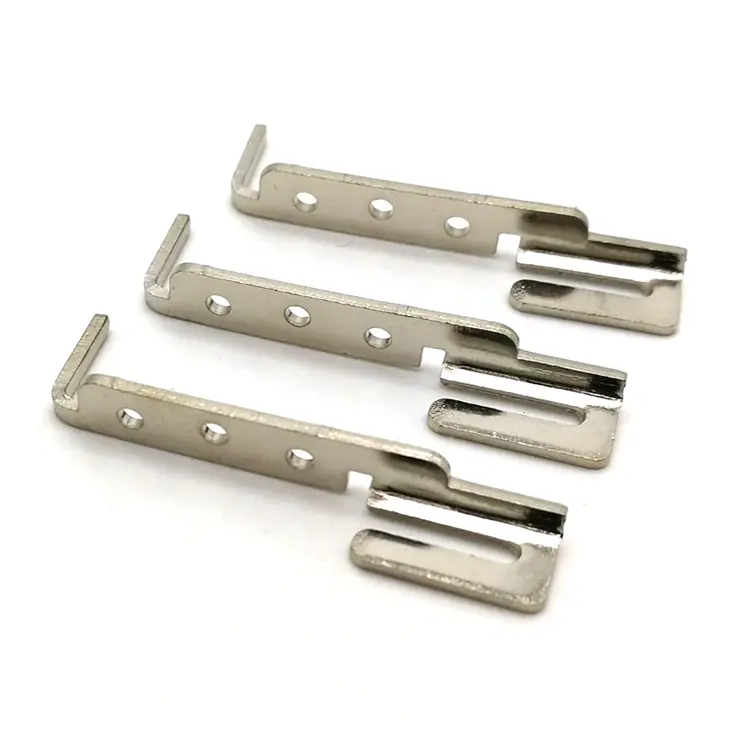
Bahagian Bercop Logam
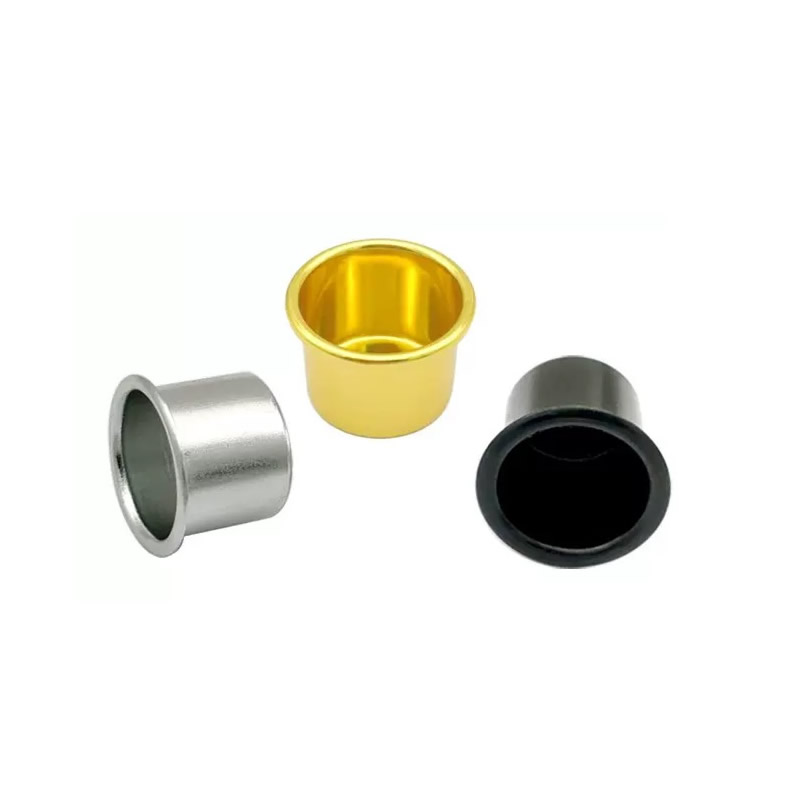
Nuote Metals pakar dalam menghasilkan bahagian bercop logam secara dalaman. Kami mempunyai pasukan pakar dalaman untuk reka bentuk alat dan cetakan, membina, operasi akhbar contoh dan pemasangan. Kami mempunyai lebih 10 tahun pengalaman bekerja dalam teknik pengecapan logam, hantarkan lukisan anda kepada kami untuk sebut harga pantas.
Baca LagiHantar Pertanyaan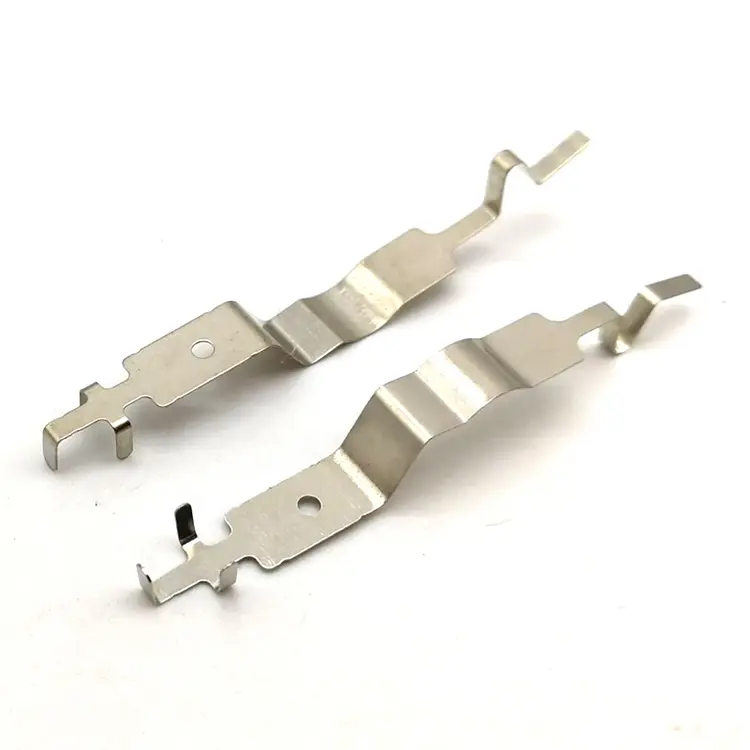
Bahagian Pengecapan Logam
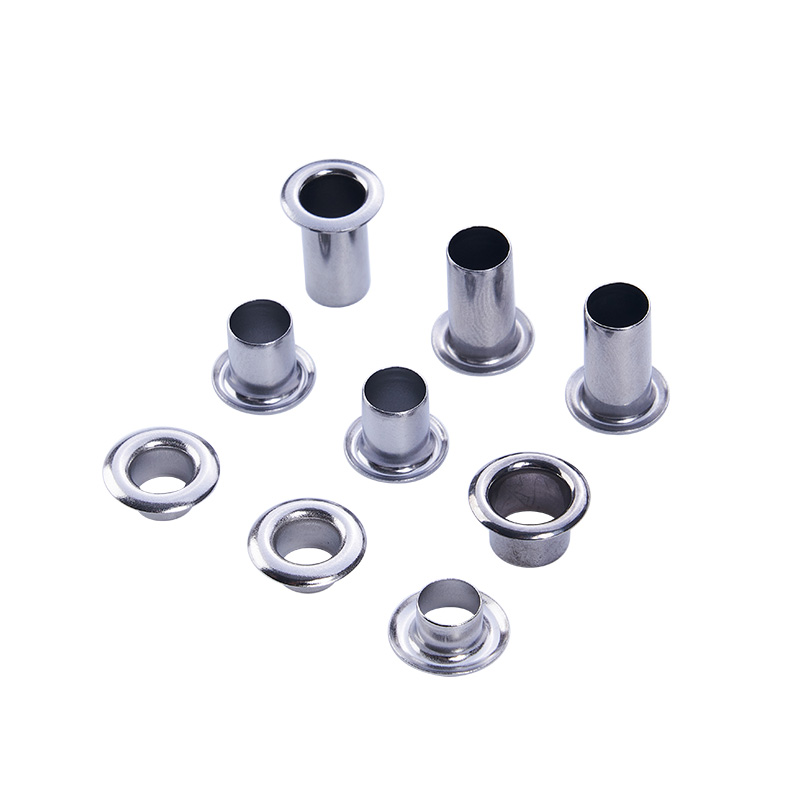
Nuote Metals ialah pengeluar bahagian pengecap logam terkemuka bagi bahagian komponen tersuai daripada pelbagai bahan asas, seperti Aluminium, Loyang, Keluli Tahan Karat, Tembaga Berilium, keluli dan lain-lain. Kami menawarkan pelbagai keupayaan pengecapan logam ketepatan, termasuk: Mengkosongkan, Membengkokkan, Mensyiling, Membentuk, Menindik, dsb.
Baca LagiHantar Pertanyaan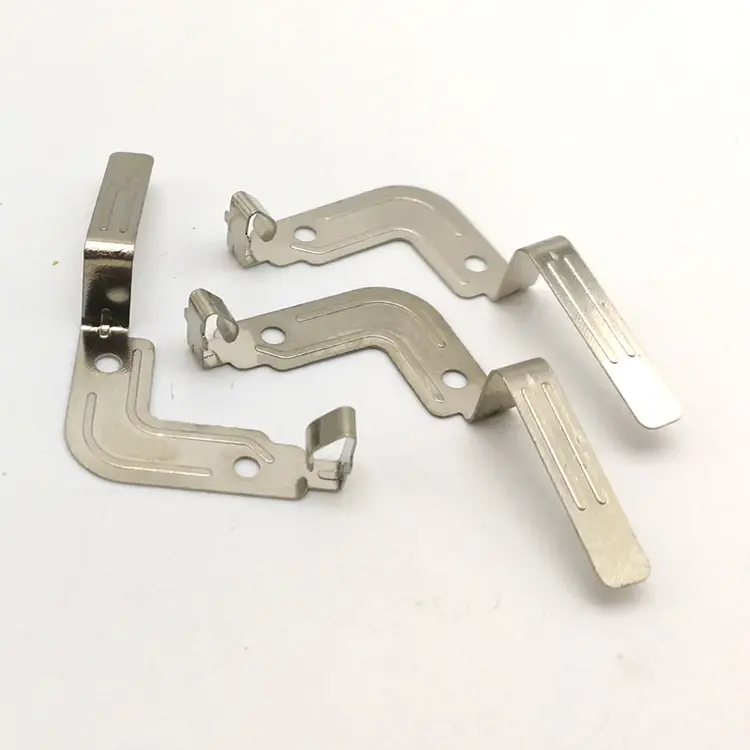
Bahagian Logam Setem Ketepatan
Nuote Metals boleh menggunakan pelbagai logam untuk menghasilkan bahagian logam pengecap ketepatan. Walau bagaimanapun, sesetengah proses dan jenis logam berprestasi lebih baik dalam proses pengecapan logam ketepatan atau lebih sesuai untuk kes penggunaan tertentu.
Baca LagiHantar Pertanyaan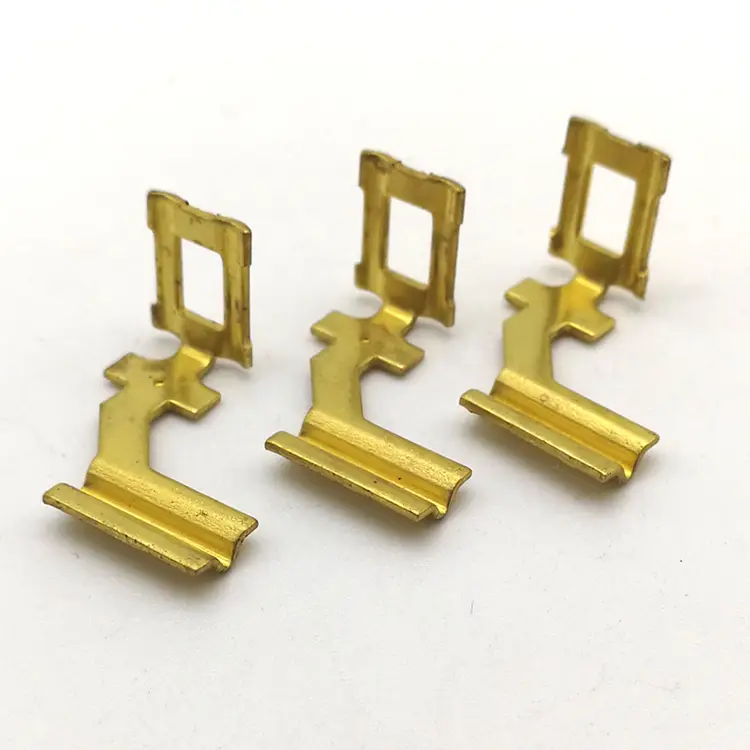
Capan Logam Ketepatan
Nuote Metals ialah pengeluar komponen pengecap logam ketepatan yang berpangkalan di China – bahagian logam ketepatan yang dihasilkan menggunakan pengecapan die progresif, kompaun dan pemindahan. Dengan mesin penekan antara 25 hingga 200 tan, kami mengendalikan bahan termasuk keluli karbon, keluli tahan karat, aluminium, loyang dan tembaga. Keupayaan termasuk mengosongkan, menindik, membongkok, melukis, membuat syiling, dan mengeluarkan timbul. ISO 9001:2015 diperakui. Semakan dan sampel DFM percuma tersedia. Hubungi kami hari ini.
Baca LagiHantar PertanyaanSome important factors to keep in mind:
Plasticity and Grain Direction – Plasticity is a measure of the permanent deformation a material undergoes when subjected to stress. Metals with greater plasticity are more susceptible to forming. Grain direction is important in high-strength materials, such as tempered metals and stainless steel. If bending occurs along a high-strength grain, cracking is more likely.
Bending Deformation/Expansion: Bending deformation causes expansion of up to 1/3 of the material thickness. This deformation/expansion becomes more severe as the material thickness increases and the bend radius decreases. Web and "mismatch" cutting: This involves making very slight indentations or protrusions in the part, typically about 0.1mm deep. This feature is not required when using composite or transfer tools, but it is essential when using progressive dies.
Advantages and Limitations of Stamping
Advantages:
- Low cost: In mass production, the cost per part can be reduced to one-third of that of a cast part;
- High consistency: Dimensional tolerances can be controlled within ±0.1mm;
- High material utilization: Through nesting optimization, the utilization rate can reach over 85%.
Limitations:
- Long mold development cycle and high initial investment, making it unsuitable for large-scale production;
- Complex three-dimensional structures (such as hollow crankshafts) require integration with other processes.
Core Application Areas of Stamping Parts
1. Automotive Industry: Accounts for over 60% of total stamping part demand, including body panels and chassis components;
2. Electronics and Electrical: For example, metal mobile phone frames and heat sinks, thicknesses can be as thin as 0.2mm;
3. Home Appliance Industry: Refrigerator panels, air conditioner housings, etc., where surface aesthetics can be enhanced through electroplating or spraying.



X
Kami menggunakan kuki untuk menawarkan anda pengalaman menyemak imbas yang lebih baik, menganalisis trafik tapak dan memperibadikan kandungan. Dengan menggunakan tapak ini, anda bersetuju dengan penggunaan kuki kami.
Dasar Privasi