Rivet Khas
Produk
- View as
Besi Countersunk Kepala Rivet
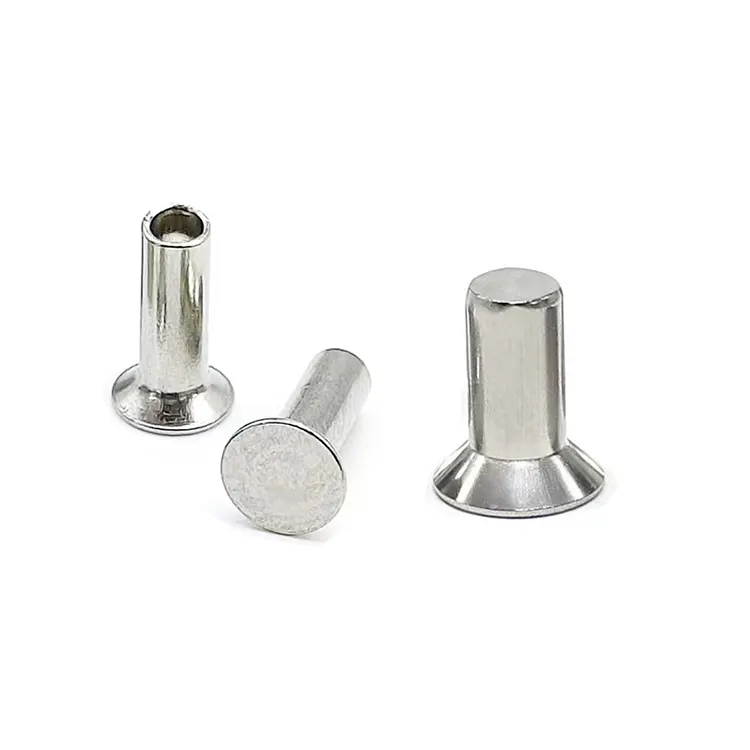
Kepala rivet kepala benam kaunter besi berbentuk seperti kon terpotong, dengan kon biasanya bersudut 90° atau 120° ke paksi rivet. Bentuk ini membolehkan kepala rivet duduk rata dengan permukaan komponen yang disambungkan selepas pemasangan, menghasilkan penampilan yang licin. Ini amat sesuai untuk aplikasi di mana kerataan permukaan adalah kritikal. Datang ke Nuote Metals untuk menyesuaikan rivet kepala benam kaunter besi yang anda inginkan. Jurutera kami, dengan lebih 10 tahun pengalaman, amat mengenali pengeluaran pelbagai jenis rivet.
Baca LagiHantar Pertanyaan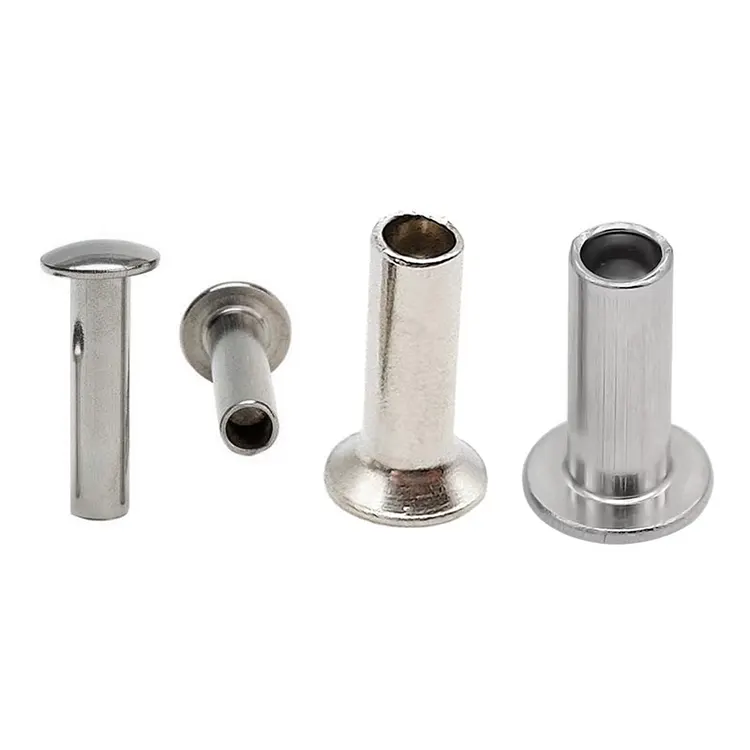
Rivet Separuh Tiub
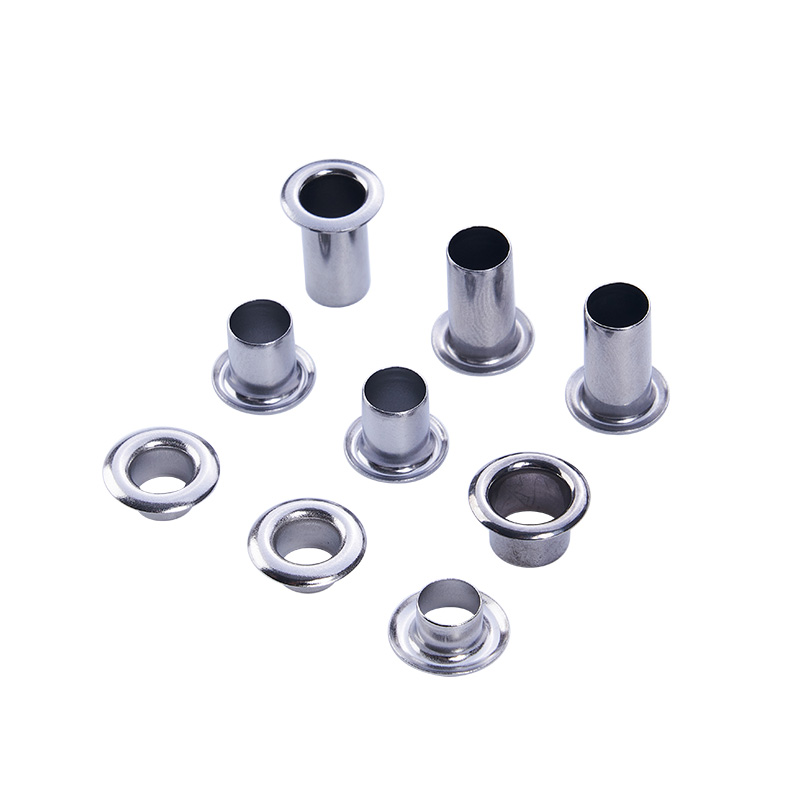
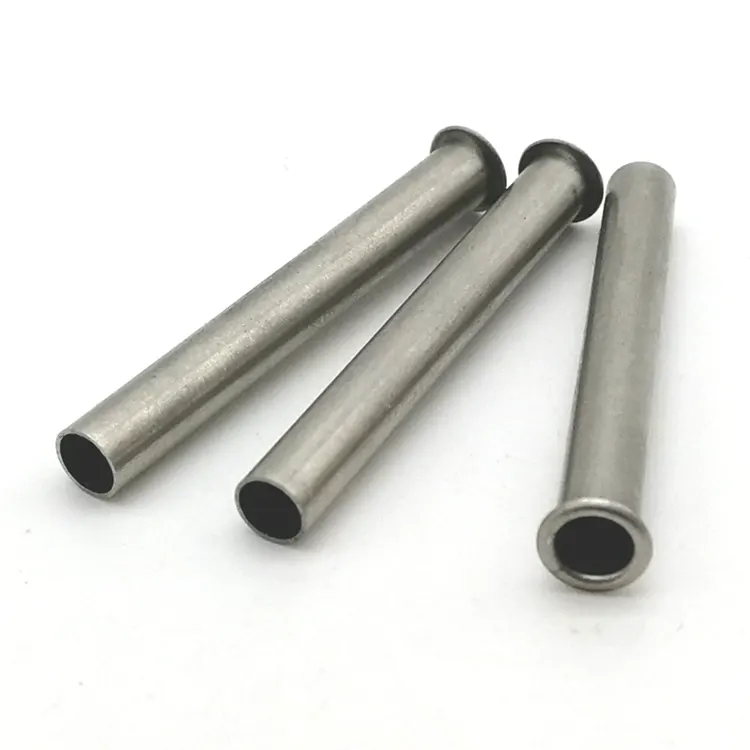
Nuote Metals ialah pengeluar rivet separuh tiub yang berpangkalan di China - alternatif mesra pengeluaran kepada rivet pepejal yang mengurangkan daya penetapan sehingga 70% sambil mengekalkan 80–90% kekuatan rivet pepejal. Tersedia dalam diameter batang 1.5–8.0mm, lima keluarga bahan, pelbagai gaya kepala dan panjang tersuai. Kualiti yang diperakui ISO, kebolehkesanan penuh dan sampel percuma tersedia – hubungi kami untuk bermula.
Baca LagiHantar Pertanyaan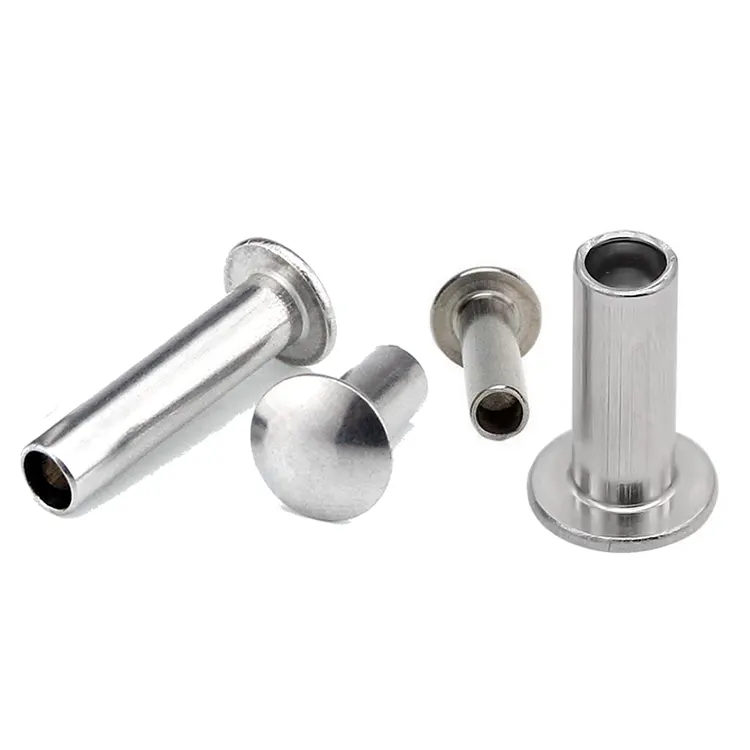
Rivet Separuh Berongga
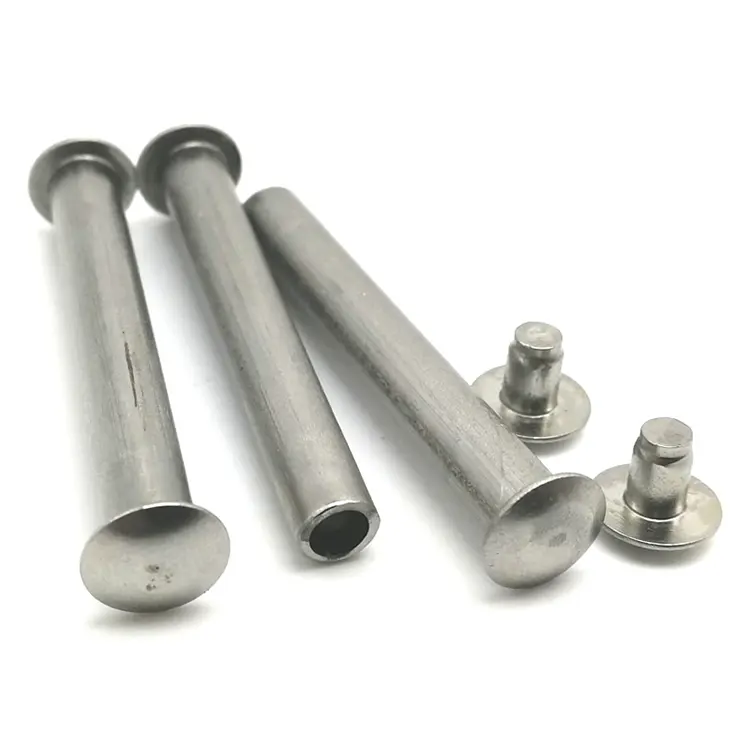
Nuote Metals terletak di Dongguan, China, kami mengkhususkan diri dalam pengeluaran pelbagai rivet, termasuk rivet pepejal, rivet separuh tiub dan rivet tiub penuh. Rivet separuh berongga ialah pengikat industri biasa, menampilkan struktur teras berongga dengan kepala dan batang separa tertutup. Reka bentuk ini membolehkan mereka menggabungkan kekuatan ringan dan tinggi, menjadikannya digunakan secara meluas dalam aplikasi yang memerlukan rivet yang cekap. Berbanding dengan rivet pepejal, rivet separuh berongga mengurangkan berat dengan menggunakan lebih sedikit bahan, sambil memanfaatkan ubah bentuk plastik semasa rivet untuk mencapai sambungan yang selamat, menjadikannya sangat sesuai untuk aplikasi sensitif berat.
Baca LagiHantar Pertanyaan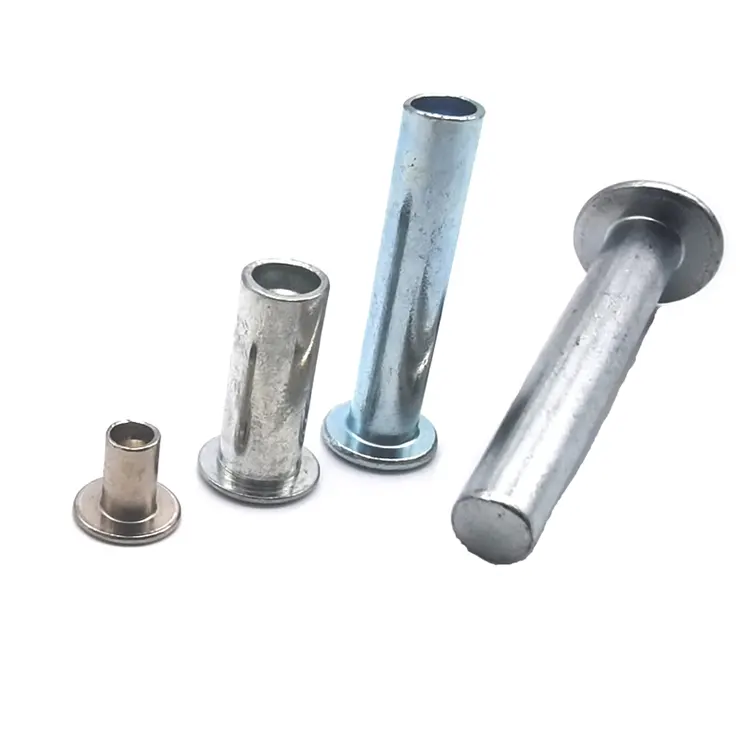
Rivet Kepala Rata
Nuote Metals pakar dalam pembuatan rivet, menghasilkan pelbagai bahan seperti keluli tahan karat, loyang, aluminium, keluli karbon dan tembaga. Rivet ialah pengikat biasa yang digunakan dalam pelbagai struktur dan pemasangan dalam kedua-dua pembuatan perindustrian dan kehidupan seharian. Rivet kepala rata adalah produk pilihan untuk banyak industri kerana prestasi unik dan kebolehsuaian mereka.
Baca LagiHantar Pertanyaan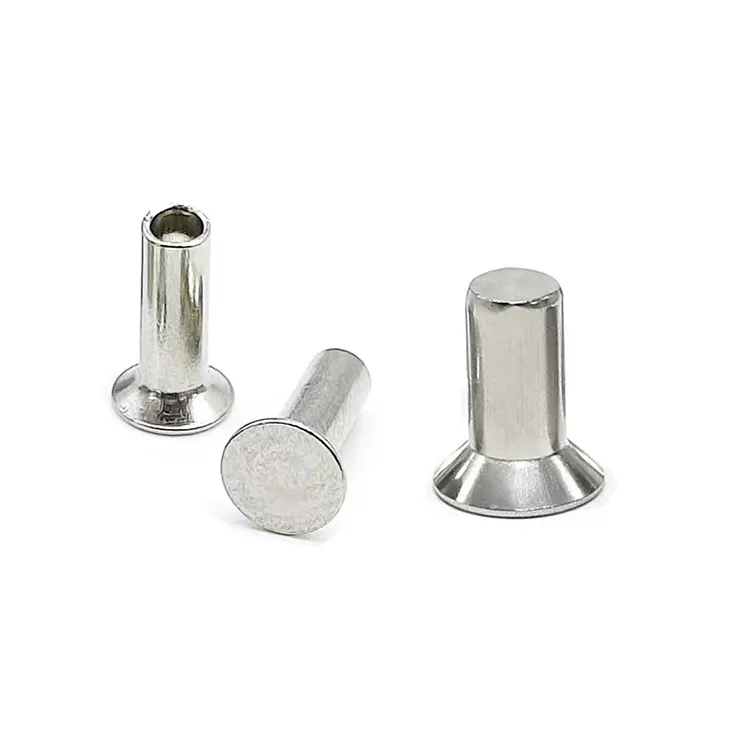
Rivet Kepala Countersunk
Nuote Metals mengeluarkan rivet kepala benam kaunter dalam reka bentuk pepejal, separuh tiub dan tiub penuh – menampilkan kepala tirus yang terletak rata sepenuhnya dengan permukaan material. Tersedia dalam sudut kepala 90° dan 100°, diameter batang 1.5–8.0mm, lima keluarga bahan dan panjang tersuai. Kualiti yang diperakui ISO, kebolehkesanan penuh dan sampel percuma tersedia – hubungi kami untuk bermula.
Baca LagiHantar Pertanyaan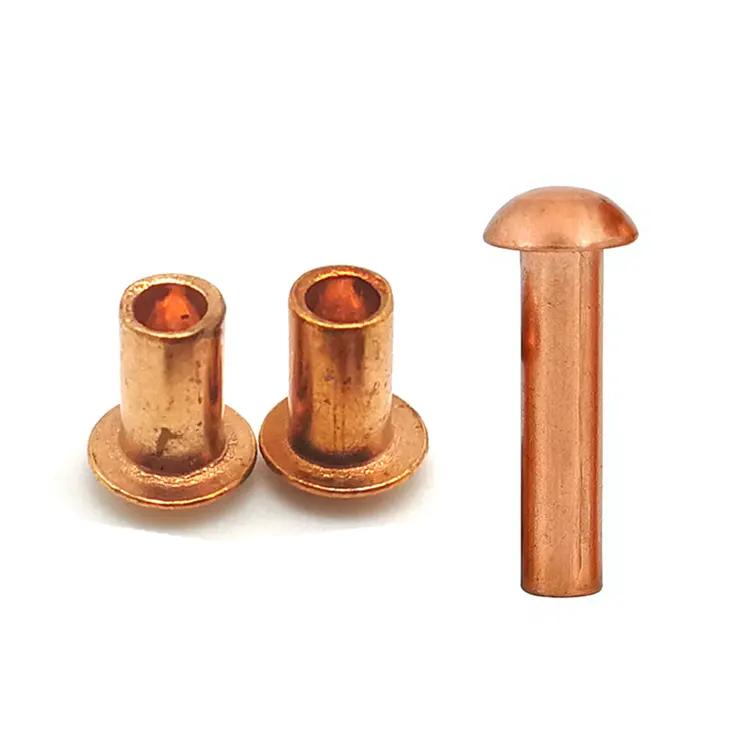
Paku Keling Kepala Bulat Tembaga
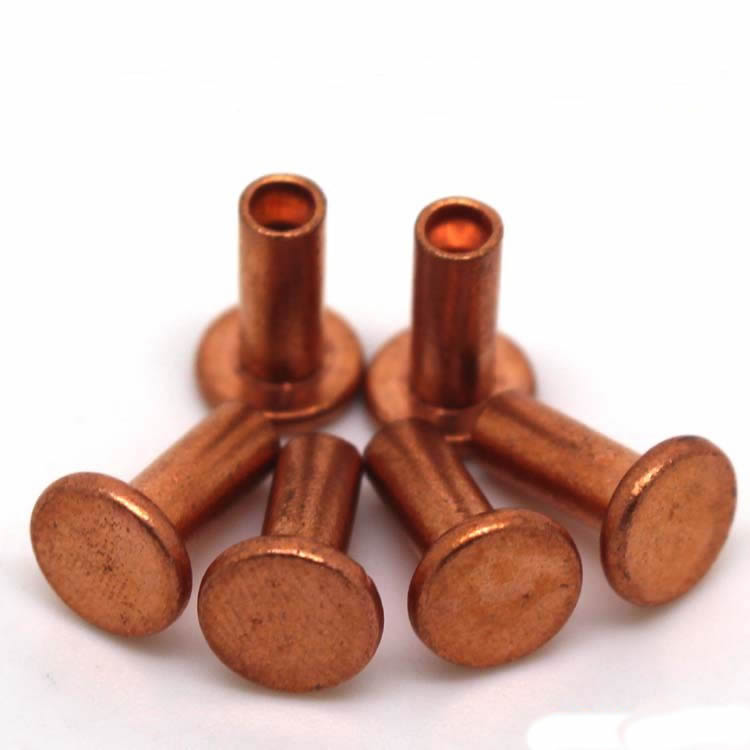
Rivet kepala bulat tembaga adalah sejenis pengikat yang digunakan secara meluas dalam pembuatan perindustrian, pembuatan perabot, dan bidang lain. Kuprum, juga dikenali sebagai kuprum bebas oksigen, adalah aloi tembaga ketulenan tinggi yang dicirikan oleh kekonduksian elektrik dan haba yang sangat baik, serta rintangan kakisan dan kemuluran yang baik. Ciri-ciri ini memastikan rivet kepala bulat tembaga mengekalkan prestasi yang stabil dalam pelbagai persekitaran, memanjangkan hayat perkhidmatannya. Tambahan pula, tembaga mempunyai ciri antibakteria tertentu, yang boleh mengurangkan risiko pertumbuhan bakteria dalam produk yang kerap bersentuhan dengan tubuh manusia.
Baca LagiHantar PertanyaanProses pembuatan rivet khas
Pembuatan rivet Khas melibatkan berbilang pautan, terutamanya termasuk:
1.Pemilihan bahan:Pilih bahan logam atau aloi yang sesuai mengikut persekitaran penggunaan.
2.Tajuk sejuk atau tajuk panas:Gunakan pemprosesan tekanan untuk membentuk bentuk asas rivet ke dalam kosong logam.
3.Berpusing atau Pengilangan:Proses halus butiran seperti kepala dan batang rivet untuk memastikan ketepatan dimensi.
4.Rawatan permukaan:Seperti galvanizing, penyaduran nikel, anodizing, dan lain-lain untuk meningkatkan rintangan kakisan atau estetika.
Kelebihan dan batasan rivet khas
(1) Kelebihan: Mereka boleh memenuhi keperluan khas, meningkatkan kecekapan pemasangan dan kebolehpercayaan sambungan, dan sesuai untuk senario aplikasi yang kompleks atau permintaan tinggi.
(2) Had: Memandangkan ia adalah produk tersuai, kos pengeluaran adalah tinggi, kitaran penghantaran agak panjang, dan pelanggan dikehendaki memberikan parameter teknikal terperinci.
Bagaimana untuk memilih rivet khas yang sesuai?
(1)Jelaskan keperluan:Tentukan parameter utama seperti persekitaran operasi rivet, keadaan tegasan dan keperluan rintangan kakisan.
(2)Padanan bahan:Pilih bahan yang sesuai berdasarkan keperluan sebenar untuk mengelakkan reka bentuk berlebihan yang membawa kepada peningkatan kos.
(3)Berkomunikasi dengan pembekal:Menyediakan lukisan atau sampel teknikal terperinci untuk memastikan rivet Khas yang dihasilkan memenuhi jangkaan.
Apakah aplikasi utama rivet khas?
(1)Aeroangkasa: Pesawat, roket dan peralatan lain mempunyai keperluan yang sangat tinggi untuk berat, kekuatan dan rintangan suhu tinggi pengikat. Rivet khas boleh dioptimumkan mengikut keperluan khusus.
(2)Pembuatan kereta:Model khas tertentu atau kenderaan berprestasi tinggi mungkin memerlukan rivet Khas untuk memenuhi keperluan sambungan ringan atau berkekuatan tinggi.
(3)Peralatan elektronik:Instrumen ketepatan atau peralatan elektronik kecil mungkin memerlukan rivet Mikro Khas untuk memastikan kestabilan dan kekompakan sambungan.
(4)Industri pembinaan:Sesetengah bangunan berstruktur khas atau projek hiasan mungkin menggunakan rivet Khas untuk memenuhi keperluan pemasangan khusus.
Status pasaran rivet khas
Dengan kemajuan teknologi perindustrian, semakin banyak industri telah mula menggunakan rivet Khas untuk mengoptimumkan reka bentuk produk. Pada masa ini, pengeluar rivet Khas terutamanya tertumpu di kawasan Delta Sungai Yangtze dan Delta Sungai Mutiara di China, dan boleh menyediakan pelbagai perkhidmatan tersuai. Disebabkan oleh harga seunit rivet Khas yang tinggi, saiz pasarannya agak kecil, tetapi permintaan dalam bidang pembuatan mewah terus berkembang.
Trend pembangunan masa depan
(1)Reka bentuk yang ringan: Dengan peningkatan keperluan penjimatan tenaga dan perlindungan alam sekitar, rivet khas yang diperbuat daripada bahan ringan akan menjadi lebih popular.
(2)Pengeluaran pintar: Peralatan automatik dan pengurusan digital akan meningkatkan lagi kecekapan pengeluaran dan kestabilan kualiti rivet Khas.
(3)Aplikasi yang lebih luas: Industri baru muncul seperti tenaga baharu dan robotik mungkin memacu pertumbuhan permintaan untuk rivet Khas.
Secara ringkasnya, rivet khas ialah pengikat yang sangat disesuaikan yang boleh memenuhi keperluan khas yang tidak dapat dipenuhi oleh rivet standard. Walaupun kos pengeluarannya agak tinggi, ia memainkan peranan yang tidak boleh ditukar ganti dalam industri seperti aeroangkasa, kereta dan elektronik. Pada masa hadapan, dengan kemajuan teknologi pembuatan, skop aplikasi rivet Khas dijangka terus berkembang.



X
Kami menggunakan kuki untuk menawarkan anda pengalaman menyemak imbas yang lebih baik, menganalisis trafik tapak dan memperibadikan kandungan. Dengan menggunakan tapak ini, anda bersetuju dengan penggunaan kuki kami.
Dasar Privasi