anak mata
Produk
- View as
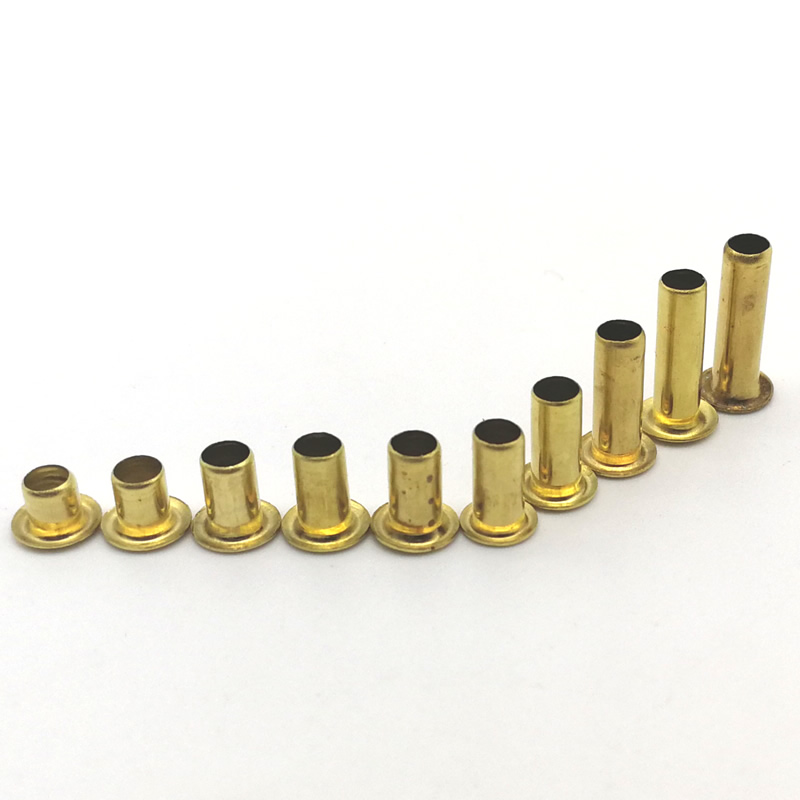
Lubang Loyang 3mm
Sebagai pengeluar China, Nuote Metals menawarkan lubang loyang 3mm Tersuai untuk fabrik sederhana berat, kanvas dan kraf kulit. Lebih besar sedikit daripada 2mm, lubang kecil ini memberikan tetulang yang lebih kuat tanpa menjadi besar. Kalis karat dan bermata licin, ia melindungi bahan sambil menambah sentuhan keanggunan. Sesuai untuk beg, tali pinggang dan peralatan luaran. Selesaikan isu-isu keruwetan dan koyak dengan mata ikat yang dibuat dengan ketepatan yang mudah ditetapkan. Percayai kilang kami untuk kualiti yang boleh dipercayai yang menjadikan setiap projek kelihatan profesional.
Baca LagiHantar Pertanyaan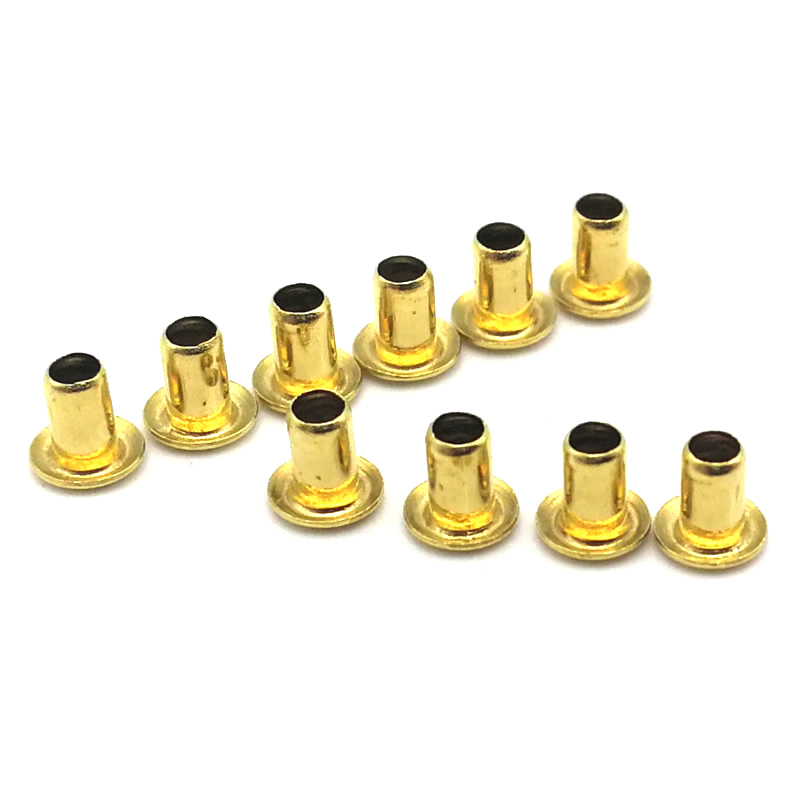
Lubang Loyang 2mm
Kami ialah Nuote Metals, sebuah kilang China yang mengkhususkan diri dalam lubang loyang 2mm untuk fabrik halus dan kraf mini. Lubang kecil ini menawarkan ketepatan kalis karat tanpa bahan koyak, menyelesaikan keperluan tetulang mikro anda. Percayai kilang kami untuk kualiti yang menjadikan setiap projek kecil berasa siap dengan sempurna.
Baca LagiHantar Pertanyaan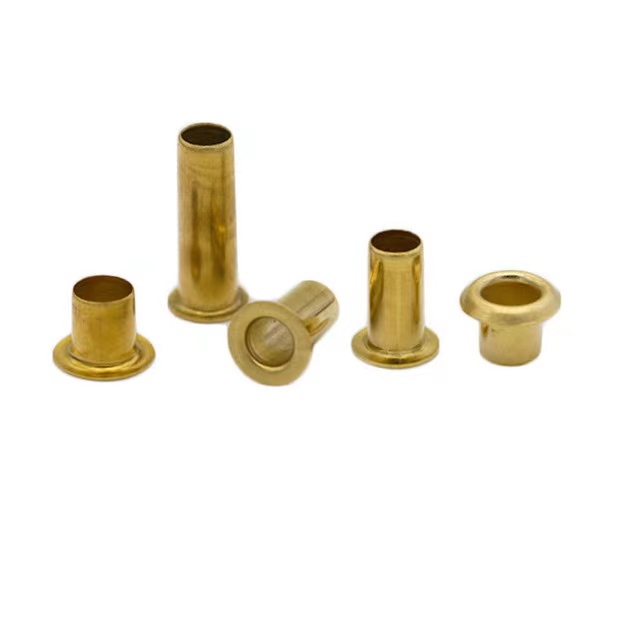
Lubang Loyang Untuk Fabrik
Nuote Metals, pengeluar yang berpangkalan di China, mempersembahkan lubang tembaga untuk fabrik. Kalis karat dan bermata licin, ia melindungi bahan halus sambil menambah kekuatan yang elegan. Sesuai untuk pereka dan pengrajin, mata ikan ini memberikan kualiti yang berkekalan. Percayai pengilang untuk hasil premium.
Baca LagiHantar Pertanyaan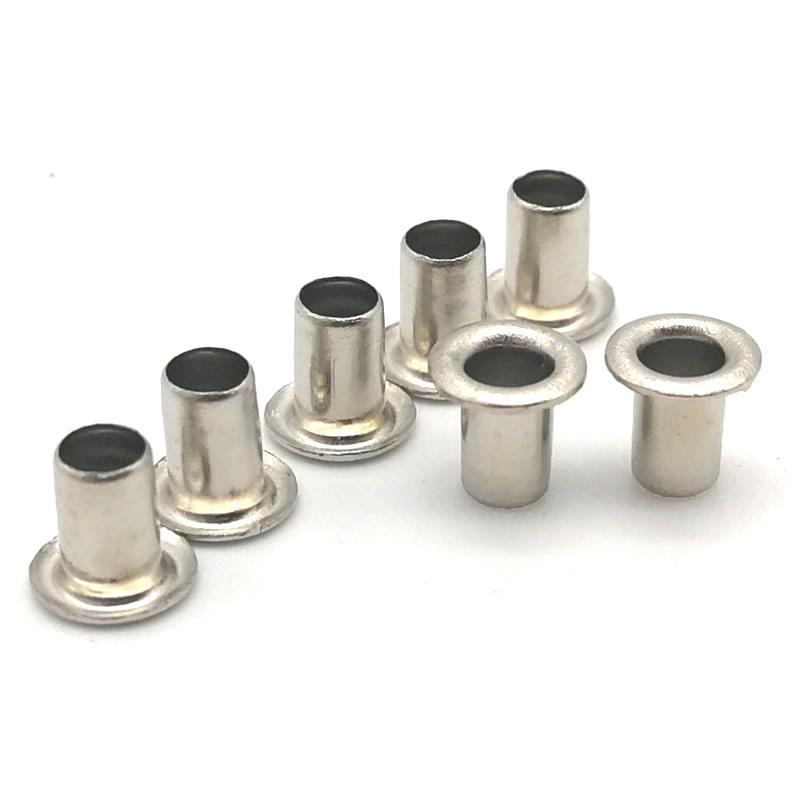
Lubang Bergalvani
Nuote Metals mempersembahkan lubang mata tergalvani, direka untuk tetulang berkekalan dalam terpal, papan tanda dan projek DIY. Rintangan kakisan unggul mereka memastikan kemasan yang selamat dan profesional yang boleh anda percayai. Direka untuk pemasangan pantas, ia menjimatkan masa sambil memberikan kekuatan yang boleh dipercayai. Sesuai untuk pencipta dan pembina yang mencari kualiti, lubang kecil ini memberikan ketenangan fikiran yang berkekalan dengan setiap penggunaan.
Baca LagiHantar Pertanyaan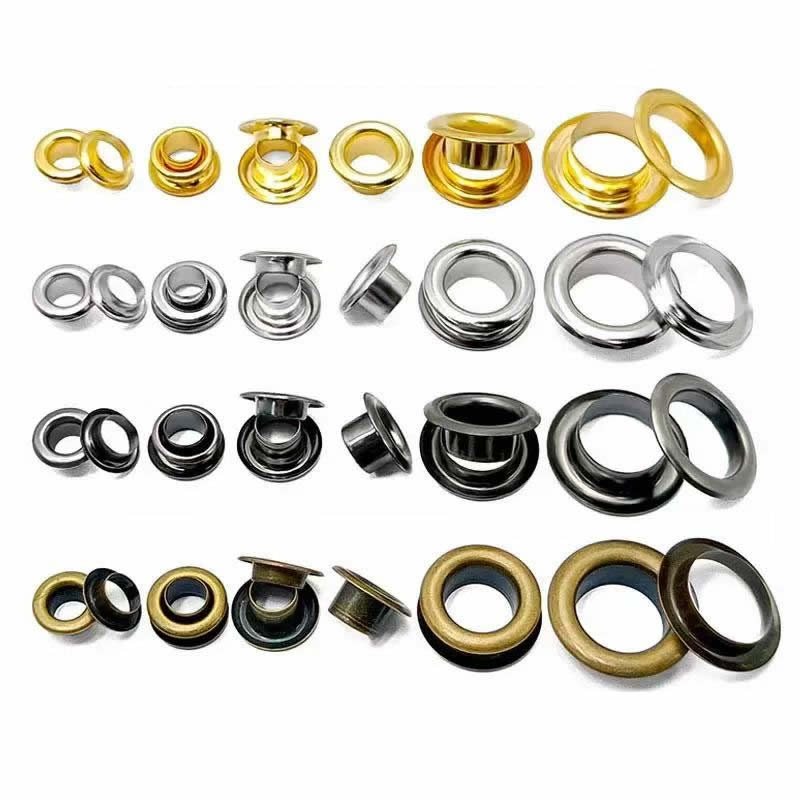
Lubang Logam Untuk Kertas
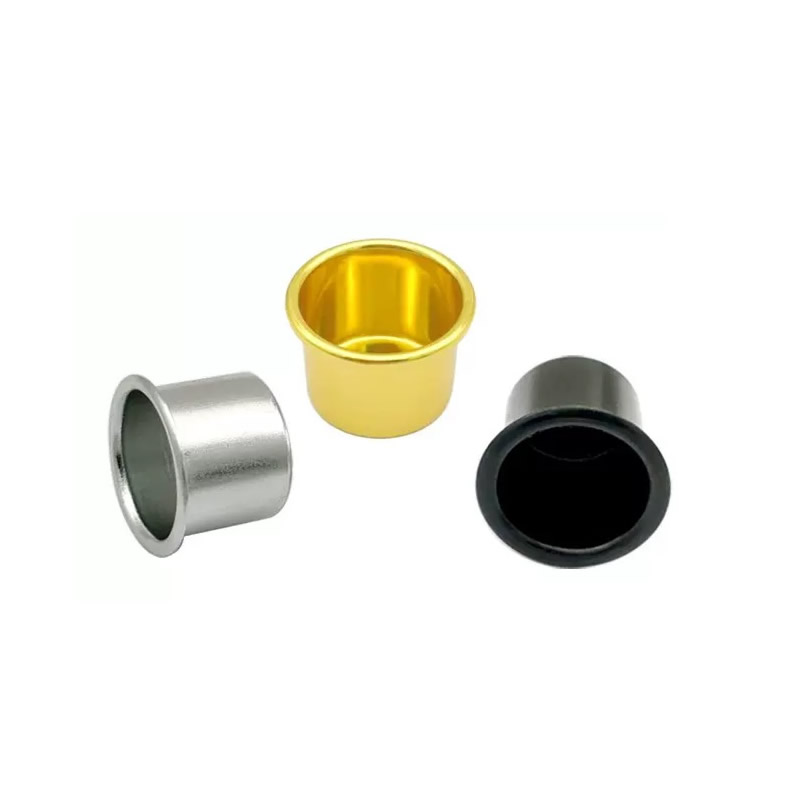
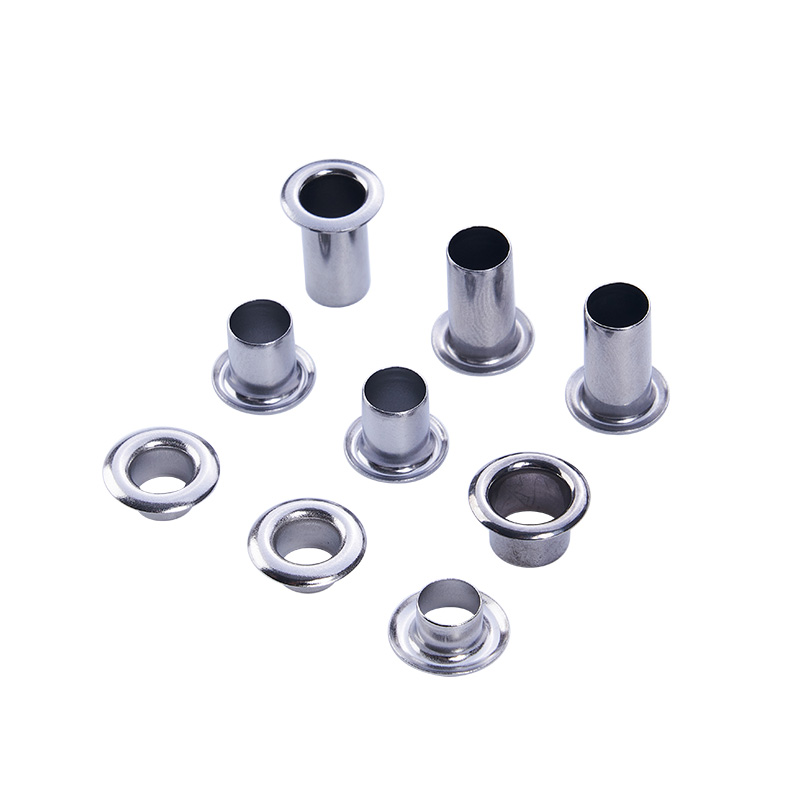
Bengkel kami terletak di Dongguan, kami menghasilkan lubang logam yang kemas untuk kertas. Cincin logam kecil ini direka untuk bahan kertas. Kami membuat lubang logam untuk kertas dalam kemasan cerah, seperti perak, emas dan hitam. Ia nipis dan ringan supaya tidak merosakkan kertas. Kami menghasilkan banyak saiz lubang logam untuk kertas, daripada yang sangat kecil hingga kira-kira satu sentimeter lebar. Setiap lubang logam untuk kertas diperiksa untuk memastikan tepi licin. Banyak syarikat alat tulis menggunakan lubang logam kami untuk kertas kerana ia kelihatan bersih dan berfungsi dengan baik. Kami boleh menghantar sampel dengan cepat untuk ujian.
Baca LagiHantar Pertanyaan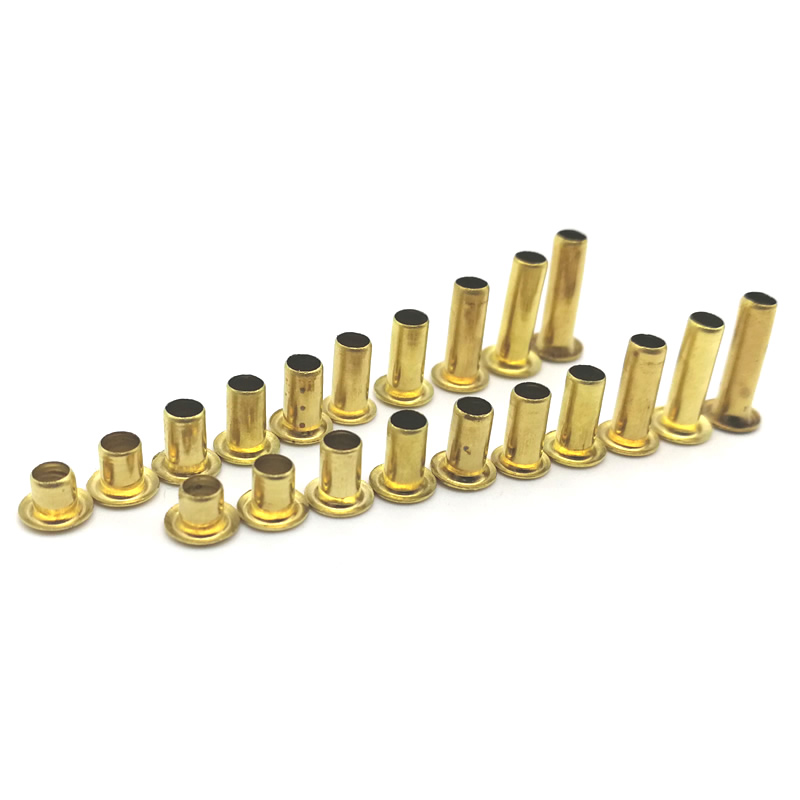
Mata Loyang Kecil
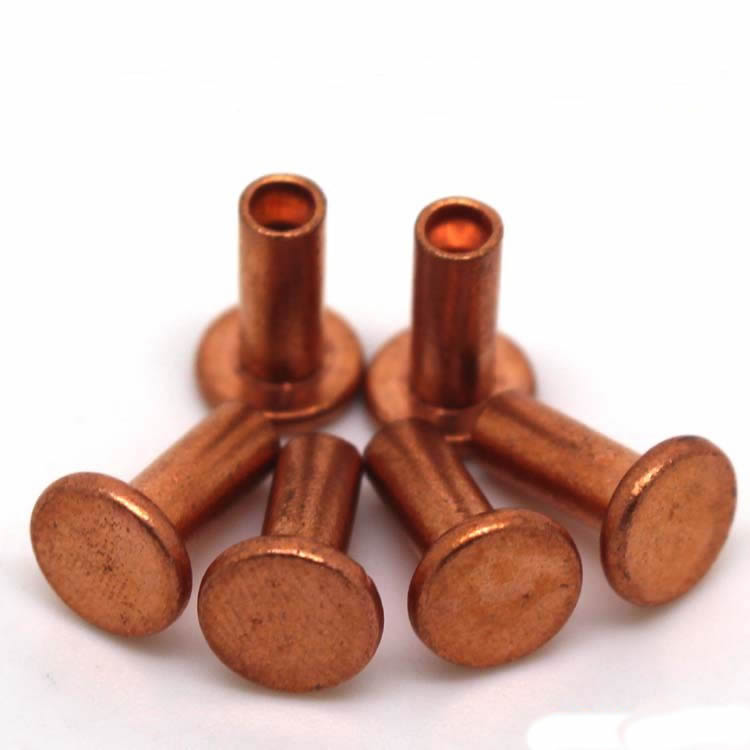
Nuote Metals di Dongguan membuat lubang kecil tembaga untuk pelanggan yang memerlukannya. Ini adalah cincin logam kecil yang diperbuat daripada loyang. Loyang ialah bahan yang bagus — ia kelihatan bagus, tidak berkarat dan tahan dengan baik. Kami membuat lubang kecil tembaga dalam saiz yang berbeza, ada yang sekecil beberapa milimeter. Setiap kumpulan lubang kecil tembaga diperiksa untuk tepi licin dan bentuk yang sekata. Orang ramai datang kepada kami apabila mereka memerlukan lubang kecil tembaga untuk produk mereka. Kami boleh membuat sampel terlebih dahulu supaya anda boleh melihat bagaimana ia kelihatan dan sesuai.
Baca LagiHantar PertanyaanApakah aplikasi utama untuk eyelets?
Rivet eyelet digunakan secara meluas dalam industri pembinaan, automotif, marin, penerbangan dan elektronik.
Dalam industri pembinaan, rivet lubang digunakan untuk menyambungkan pelbagai komponen logam, seperti rasuk keluli dan tiang.
Dalam industri automotif, marin dan penerbangan, rivet lubang digunakan untuk menyambung pelbagai bahan, seperti aloi aluminium dan aloi titanium.
Dalam industri elektronik, rivet lubang digunakan untuk menyambung pelbagai bahan logam dan bukan logam, seperti plat logam dan kepingan plastik.
Apakah alatan yang digunakan untuk mata keling?
Rivet lubang boleh diikat sama ada menggunakan playar manual atau elektrik. Playar rivet manual ialah alat biasa dan secara amnya sesuai untuk memukau lubang kecil. Playar rivet elektrik sesuai untuk memukau lubang yang besar dan kuantiti yang banyak.
Apakah persediaan yang diperlukan sebelum memukau?
Penyediaan sebelum rivet termasuk membersihkan permukaan bahan yang di rivet dan memilih diameter lubang rivet yang sesuai. Membersihkan permukaan bahan yang diikat menghilangkan kotoran dan gris permukaan, memastikan sambungan selamat. Memilih diameter lubang rivet yang sesuai boleh mengelakkan keretakan atau longgar semasa rivet.
Apakah langkah berjaga-jaga yang perlu diambil semasa memukau?
1. Kedudukan pemasangan rivet eyelet mestilah bertepatan dengan garis tengah lubang rivet.
2. Batang lubang mata hendaklah berserenjang dengan permukaan bahan yang diikat semasa memukau.
3. Kepala lubang mata mesti kekal stabil secara mendatar.
4. Kedalaman lubang lubang lubang harus sama dengan jumlah panjang batang rivet dan panjang bahagian memukau tekanan lubang.
5. Daya rivet hendaklah sesuai, tidak terlalu tinggi atau terlalu rendah, bergantung pada ketebalan dan sifat bahan.
6. Selepas memukau, kualiti mata ikan hendaklah diperiksa untuk tanda-tanda mata ikan patah atau bendasing.
Kesimpulan
Rivet eyelet ialah pengikat rivet serba boleh yang boleh digunakan secara meluas untuk menyambung pelbagai kepingan logam dan bahan yang berbeza. Penyediaan rapi diperlukan sebelum memukau, termasuk memilih diameter lubang rivet yang sesuai dan membersihkan permukaan bahan yang diikat. Semasa rivet, faktor seperti daya rivet dan kedalaman lubang harus dipertimbangkan dengan teliti untuk memastikan sambungan berkualiti tinggi.



X
Kami menggunakan kuki untuk menawarkan anda pengalaman menyemak imbas yang lebih baik, menganalisis trafik tapak dan memperibadikan kandungan. Dengan menggunakan tapak ini, anda bersetuju dengan penggunaan kuki kami.
Dasar Privasi